Beyond the Robot Voice: Building Natural, Human-Like Conversations with AI
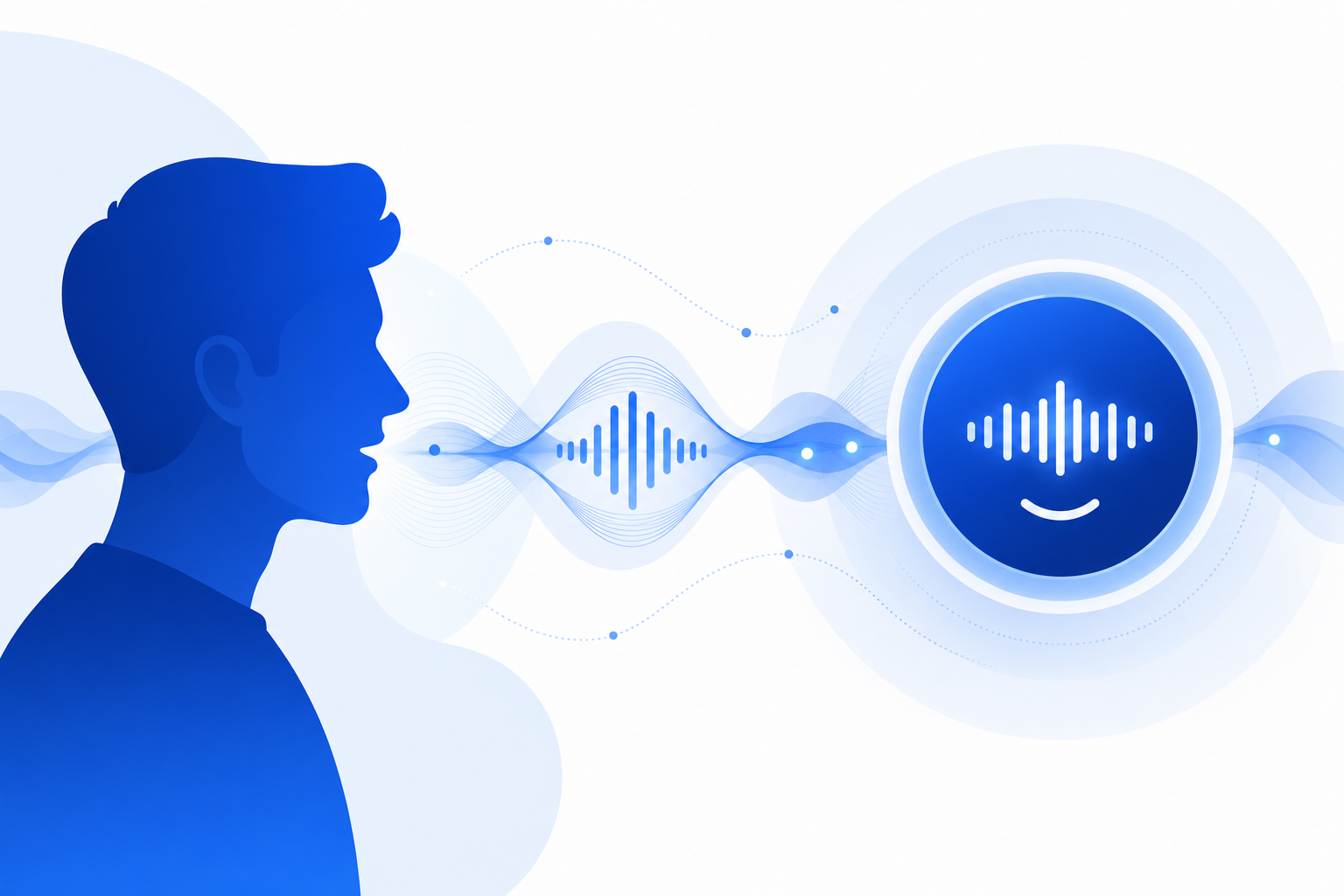
We have all experienced it: you call a customer service line, and you are greeted by a stiff, robotic voice that sounds like a computer from the 1990s. The voice is monotone, the pauses between sentences are awkwardly long, and it fails to understand you if you speak slightly too fast or use a bit of local slang.
These legacy systems—often called Interactive Voice Response (IVR) or basic text-to-speech bots—have given automated calling a bad reputation. They make customers feel ignored, frustrated, and eager to press whatever buttons are necessary to "speak to a human agent."
At Yandle, we believe that voice automation should feel entirely different. It should feel like a natural, fluid conversation with a helpful, friendly person.
Here is a behind-the-scenes look at the engineering and design principles we use to build truly human-like voice agents.
1. The Battle Against Latency: The Sub-Second Rule
In human conversation, the average gap between one person finishing speaking and the other starting is about 200 milliseconds. If an AI voice agent takes 2 to 3 seconds to process what you said and generate a response, the illusion of a natural conversation is instantly shattered.
To achieve sub-second latency (under 800ms), Yandle uses a highly optimized streaming architecture. Instead of waiting for a customer to finish their entire sentence, convert it to text, send it to a language model, and then convert the response back to speech, Yandle processes audio packets concurrently. This parallel processing allows the agent to start speaking almost the exact millisecond the caller finishes their thought, creating a natural, conversational rhythm.
2. Understanding the Way People Actually Speak (Code-Switching)
In India, people rarely speak in textbook English or pure Hindi. They mix languages naturally. A customer might say: "Mera parcel deliver nahi hua, please check karke batao status kya hai."
Standard global AI models, trained primarily on Western datasets, fail completely when confronted with this kind of "code-switching."
Yandle's models are trained specifically on localized Indian speech datasets. Our voice agents understand Hinglish, regional accents, and local colloquialisms perfectly. They don't force customers to speak formally; they adapt to the customer's natural way of communicating.
3. Adding Emotional Intelligence and Conversational Nuance
A human-like conversation is about more than just words; it's about tone, pacing, and empathy. Yandle's voice synthesis engine is designed with advanced acoustic modeling that includes:
- Natural Intonation & Inflection: The voice rises and falls naturally, emphasizing key words rather than sounding flat and robotic.
- Conversational Fillers: Just like humans, our agents use subtle fillers like "Aha," "Sure," or "Got it" to signal active listening and keep the conversation flowing smoothly.
- Interruption Handling: If a customer interrupts the agent mid-sentence (e.g., saying "No, wait, my order number is actually..."), Yandle's agent instantly stops speaking, listens to the new input, and adjusts its response accordingly.
Why Natural Conversations Drive Business Success
When an automated voice call feels natural, customers are far more likely to stay on the line, answer questions honestly, and complete their transactions. It builds immediate trust and reflects positively on your brand's commitment to quality customer service.
Conclusion
The future of customer engagement is not robotic; it is conversational. By combining cutting-edge streaming technology, localized language models, and emotional intelligence, Yandle is helping businesses across India have better, more productive conversations with their customers—at scale.
Ready to experience the future of voice AI? Book a demo with Yandle today.